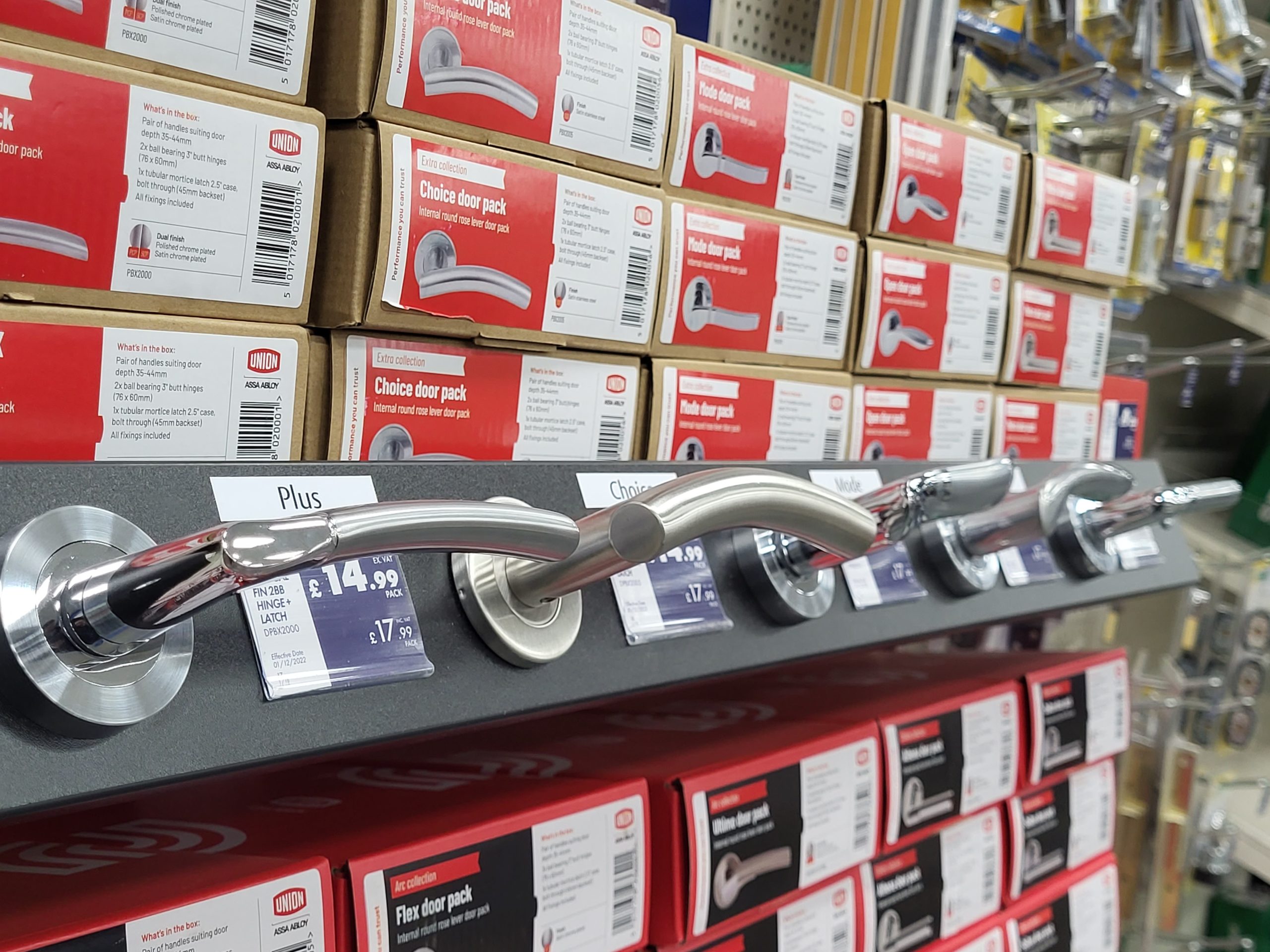
Observing customers. Spotting patterns. Designing for results.
When was the last time you truly watched your customers shop?
Store walks – simple trips through retail spaces – are one of the most underrated tools in a brand’s toolkit. Too often, we overlook the power of real-world observation. But watching how people actually shop, their habits, hesitations, and what makes them stop in their tracks, can unlock powerful insights that no spreadsheet ever will.
At Merit Display, we believe the best retail strategies start at shelf level. There are a few simple, actionable strategies that can turn your display into a high-performing sales driver. Here’s why store walks matter, and what to look for if you want product displays to work harder and sell smarter.
1. Brand – be instantly recognisable
Think about how quickly we decide to skip an ad on YouTube – there’s a reason it forces you to watch the first five seconds without the ability to skip! The same applies visually when we scan a retail environment, we don’t focus on anything unless it grabs our attention. In that tiny window of time, your customer should immediately know:
- Who you are
- What you offer
- Why it matters
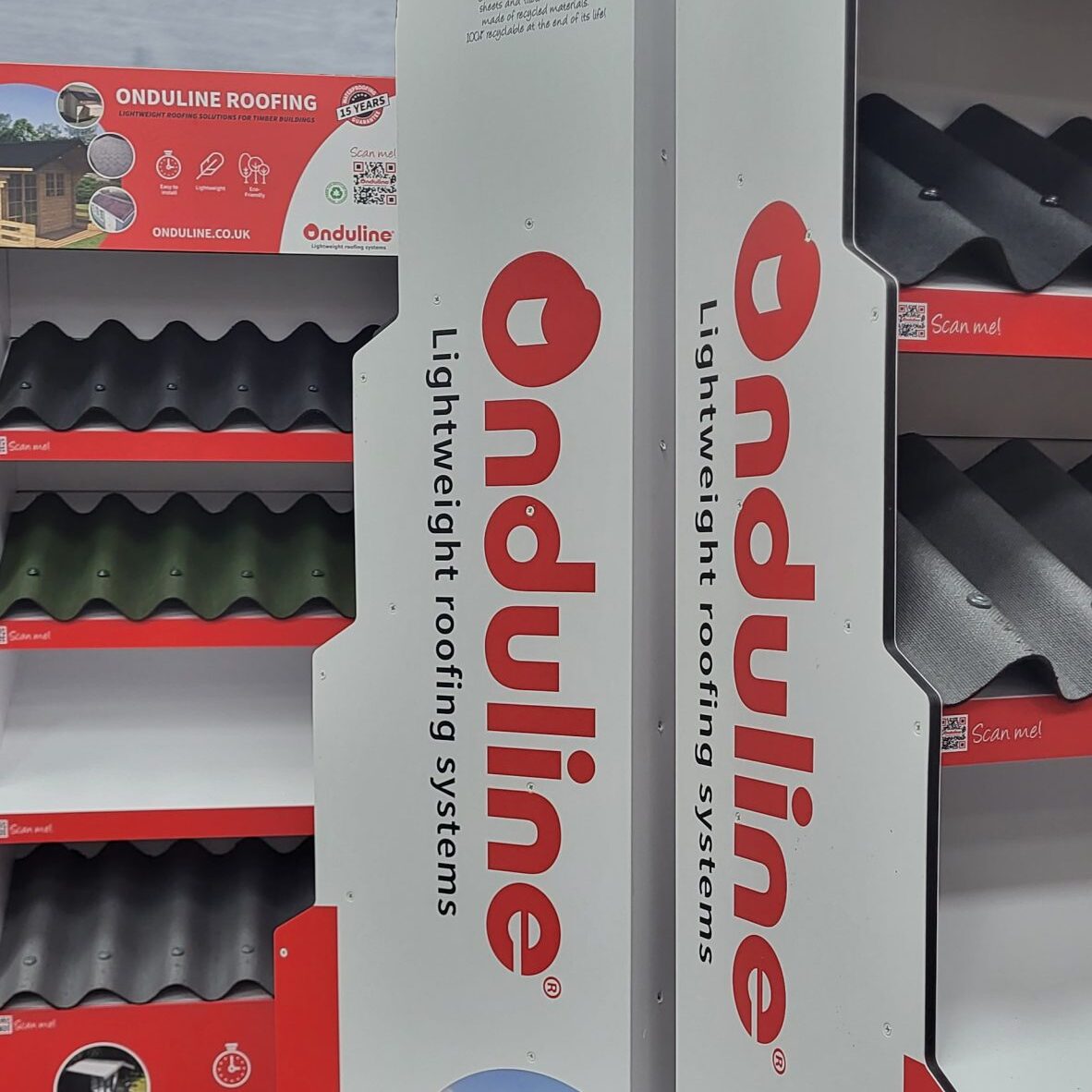
Iconic brands like Coca-Cola and McDonald’s can rely on distinctive shapes and symbols. For everyone else, visual consistency is key. Use your brand’s logos, fonts, colours, and tone of voice with precision. Develop a display toolkit that helps merchandisers roll out your identity clearly, confidently, and consistently, regardless of space or format.
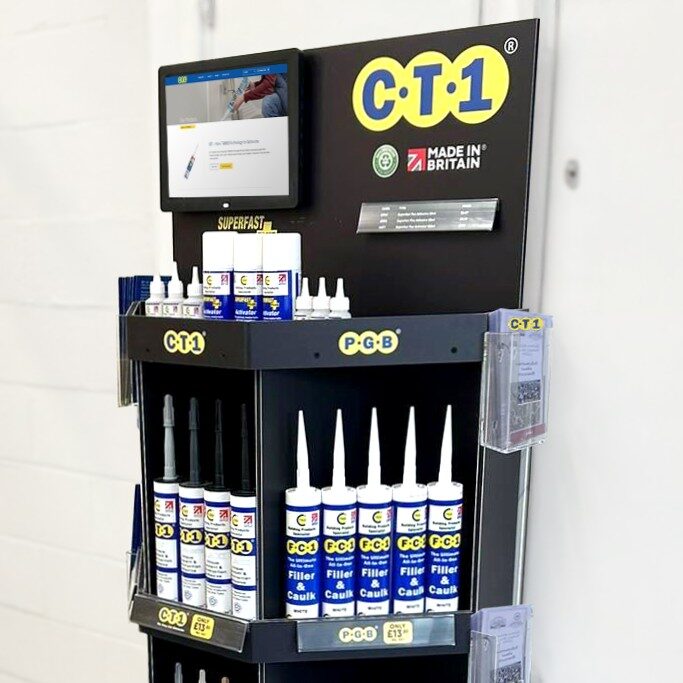
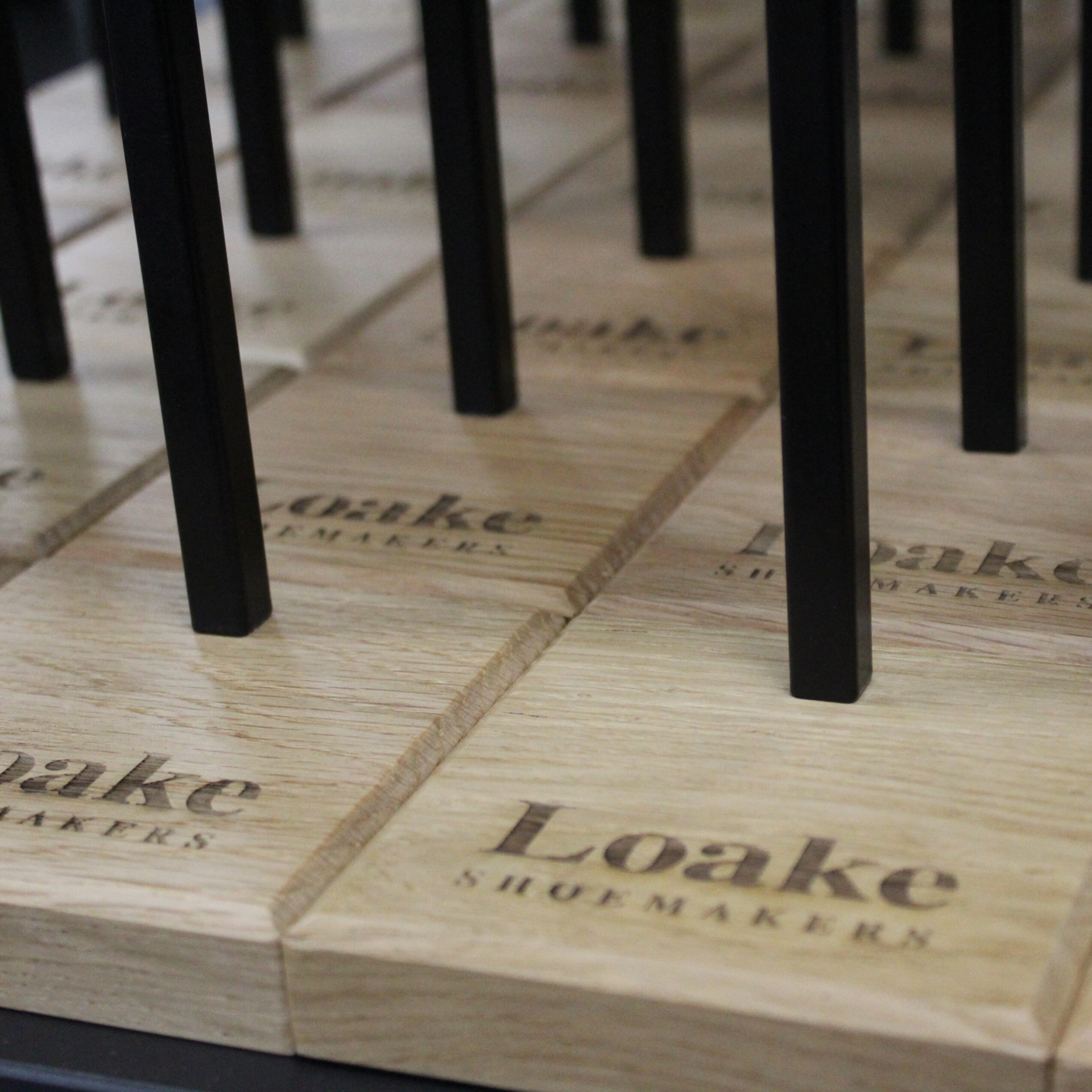
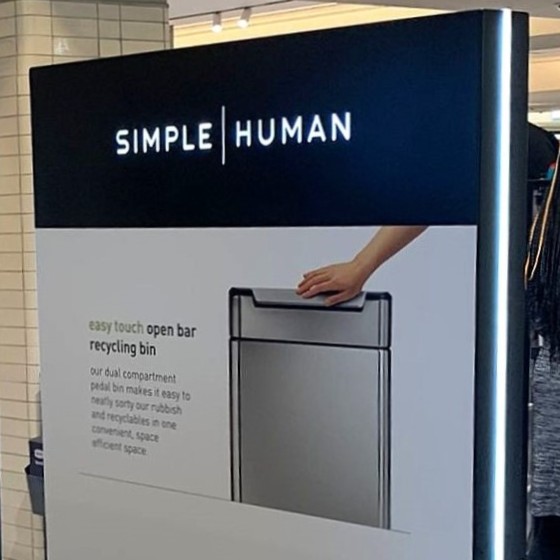
2. Colour – own your space
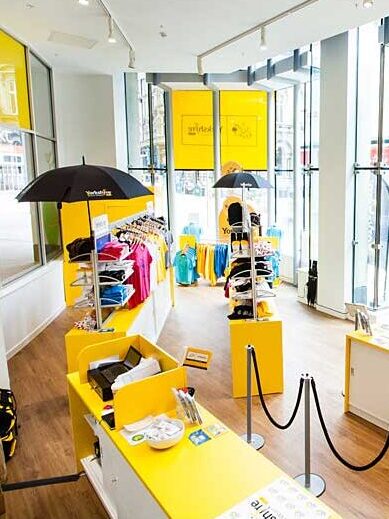
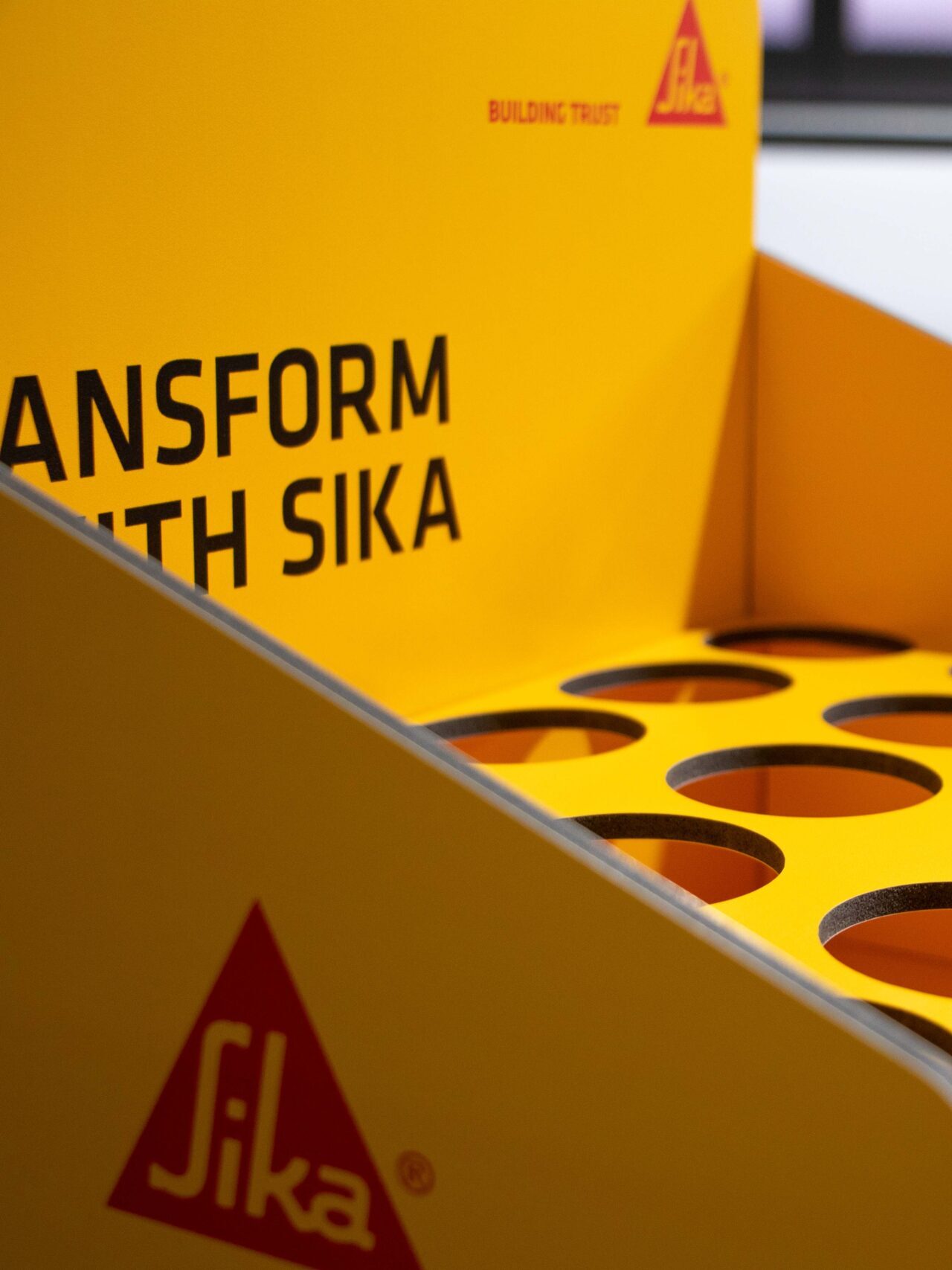
Ever walked into a DIY store and felt the brand presence before even reading a label? That’s colour at work. Think: Milwaukee red or DeWalt yellow. These brands don’t just use colour – they own it.
Humans are hardwired to respond to colour, and the most successful brands understand how to leverage this. Your brand’s colour palette should signal your identity at a glance. Used consistently, colour becomes a silent salesperson: drawing attention, reinforcing trust, and helping customers instantly associate your product with a specific feeling or function.
Want to dig deeper? Explore our blog on Colour Theory in Retail Displays.
3. Demonstrate – invite interaction
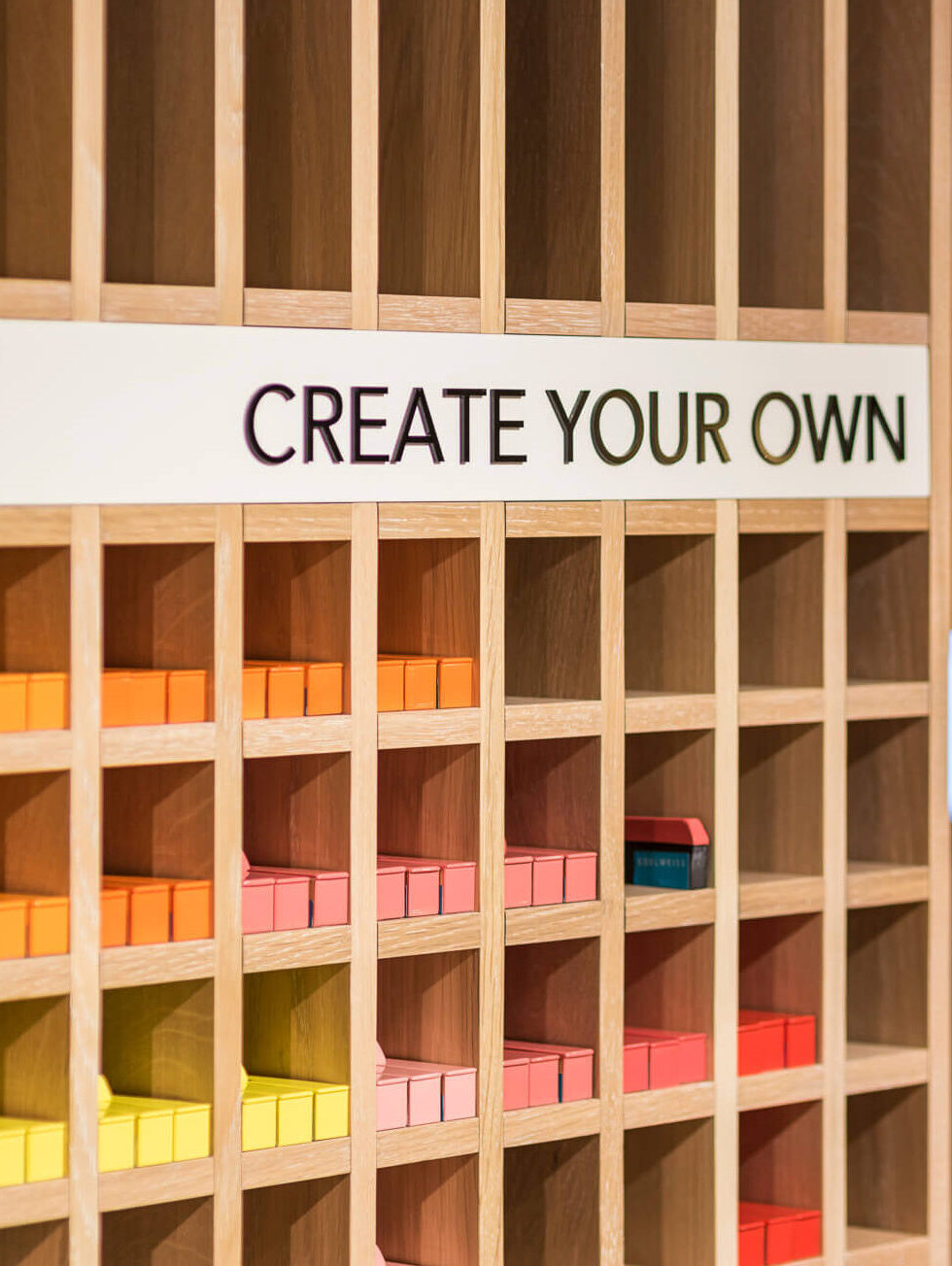
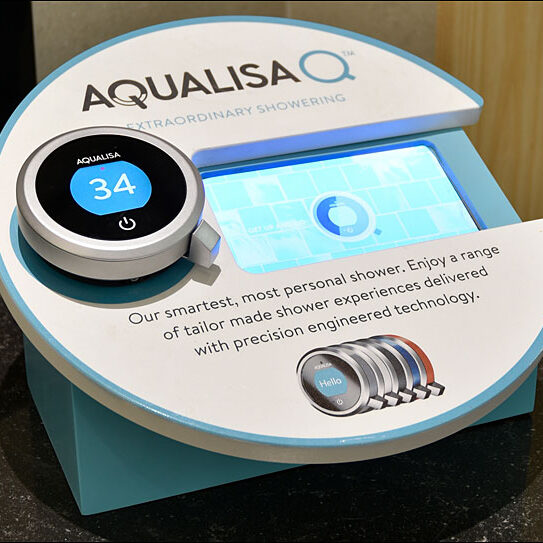
There’s something magical about pressing buttons on a demo unit. Engagement builds memory. Even a simple action like pressing a button, pulling a lever, or squeezing a trigger, can make a product more compelling and memorable.
But what if your product can’t be demoed in-store?
There are still smart ways to tell the story:
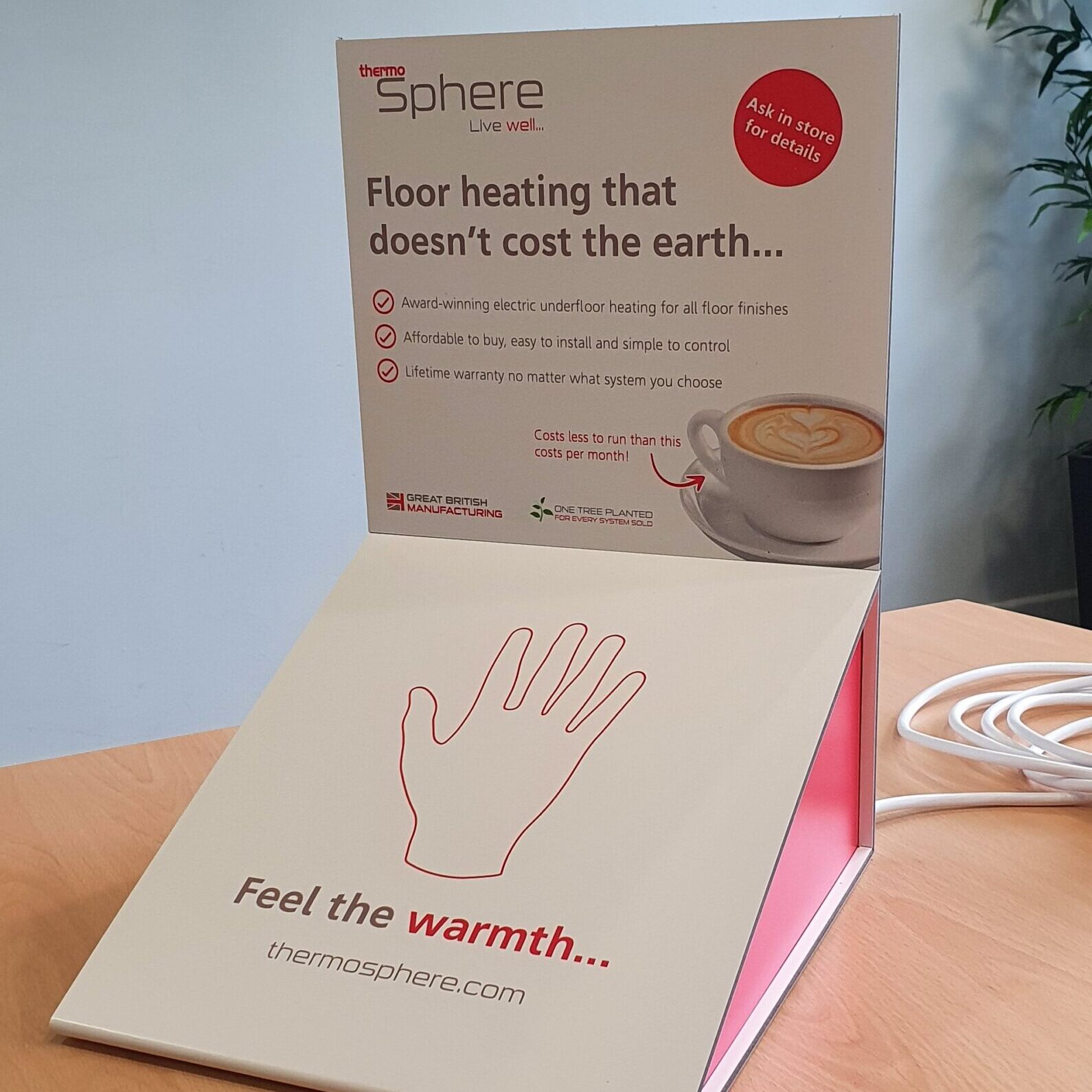
- Use materials and textures to simulate use
- Show what the product is compatible with
- Visually explain the benefits – strength, stickiness, sharpness, speed, etc…
Good displays don’t just show the product. They answer unspoken questions and spark curiosity. And curiosity drives conversion.

4. Organisation sells – make it easy to buy
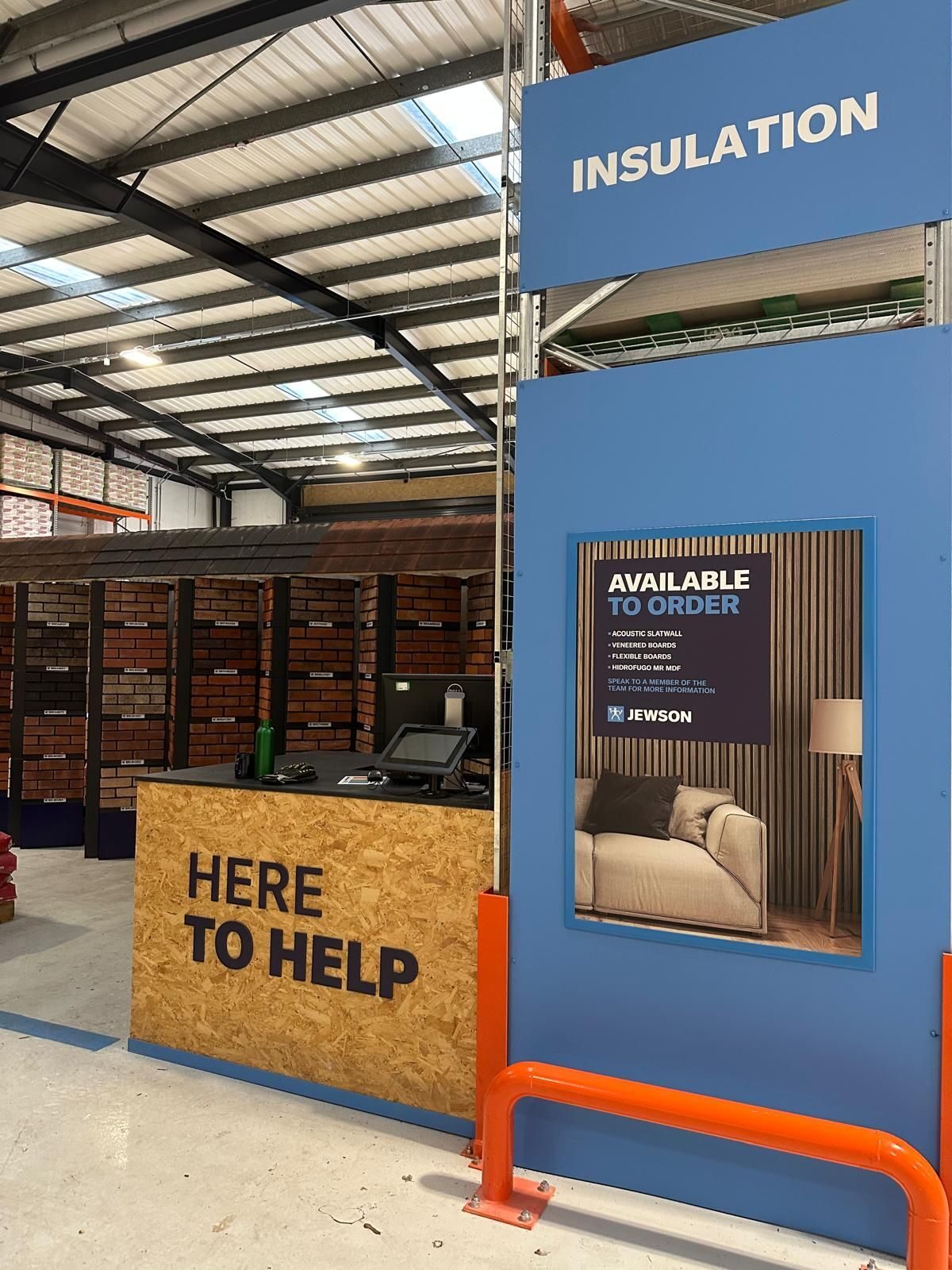
A well-organised display is appreciated by even the messiest of us humans. Customers crave clarity. So do retail staff.
Displays that are well-ordered, logically structured, and easy to shop don’t just look better – they sell better. They’re easier to restock, simpler to navigate, and more inviting to browse.
A neat, tidy setup subconsciously attracts attention and makes browsing more enjoyable. Think of it like visual merchandising meets Marie Kondo: clean lines, clear groupings, and a calm sense of control that makes shoppers feel confident in their choices.
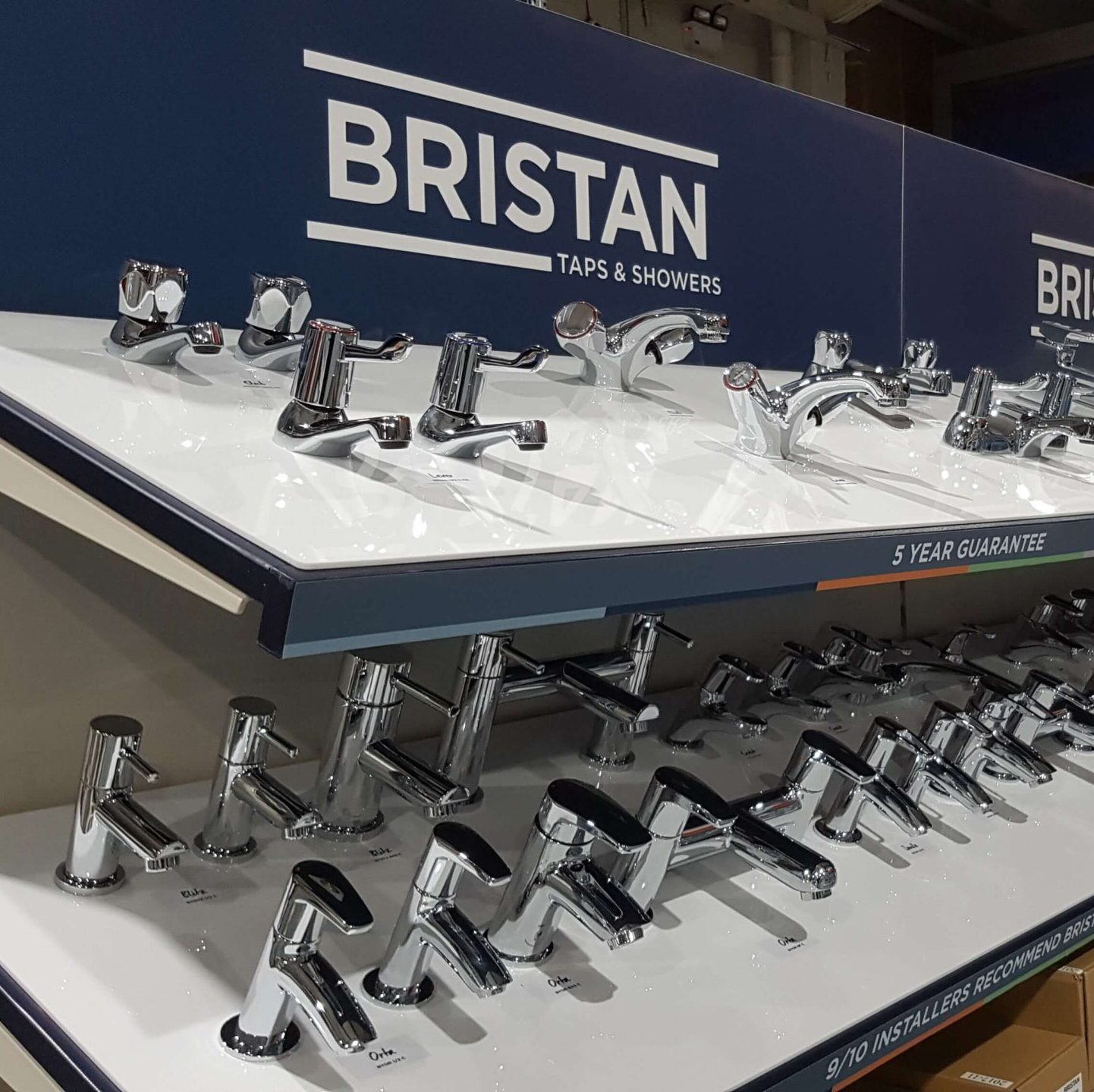
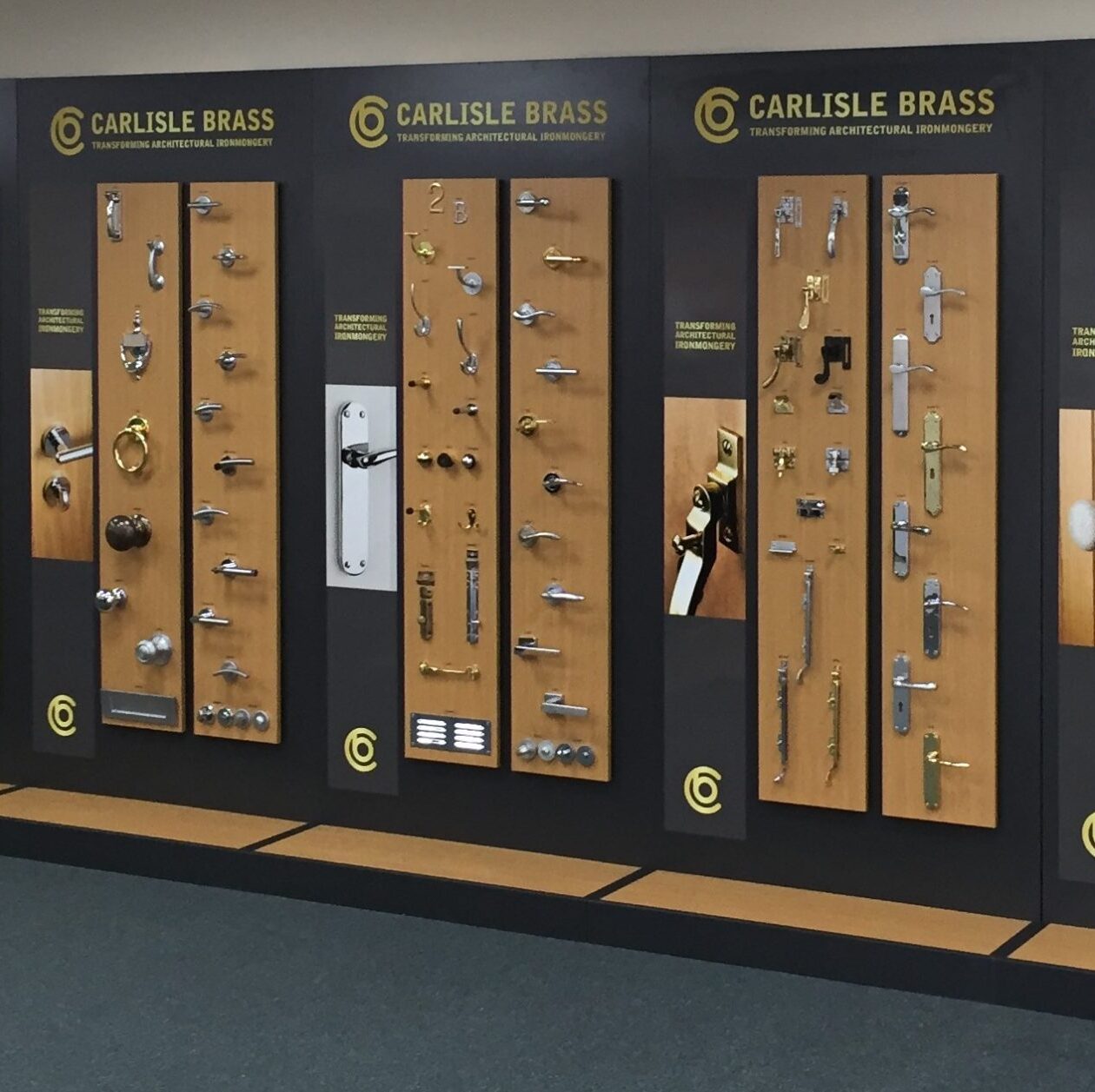
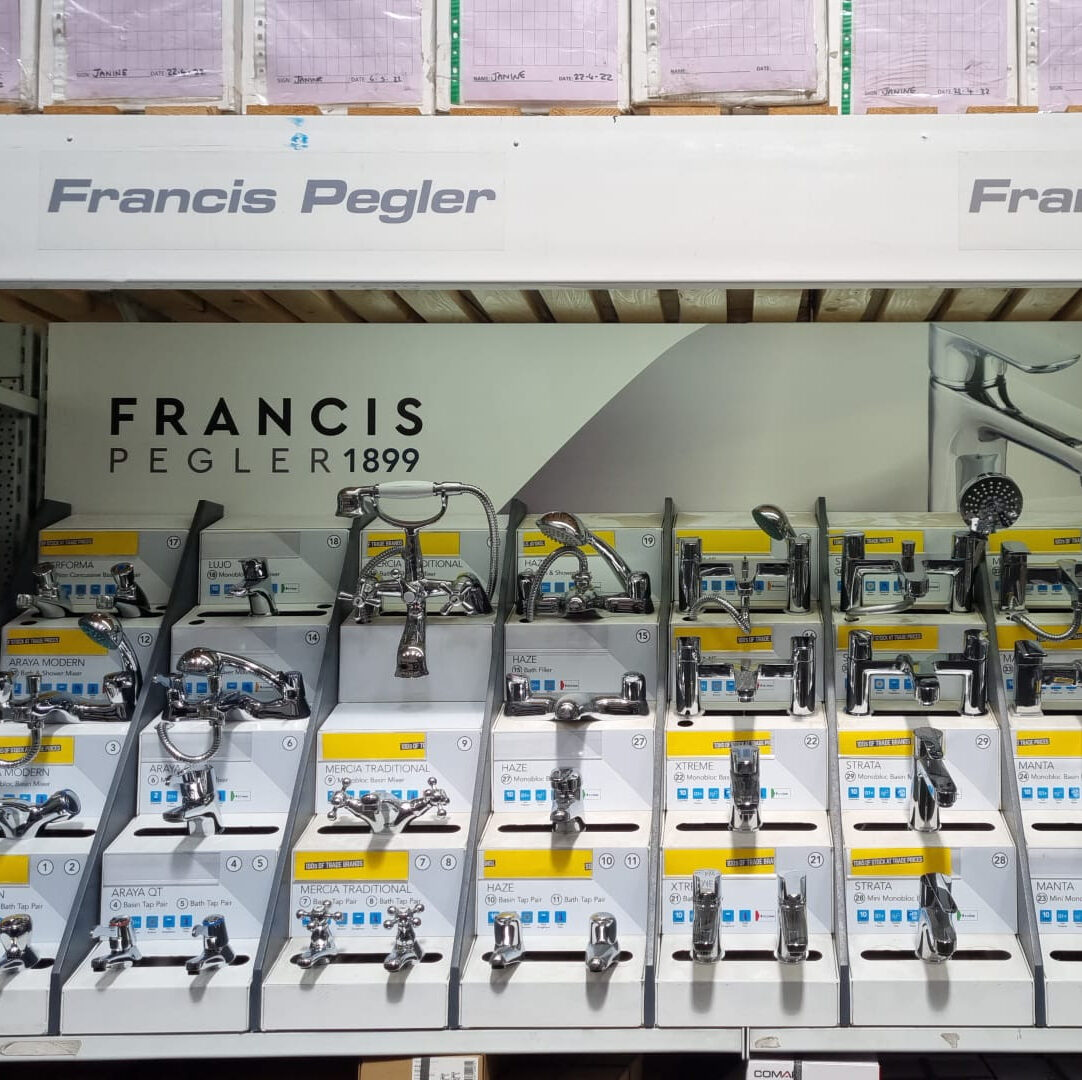
Simple, but powerful
These four principles – branding, colour, demonstration, and organisation – aren’t flashy. But they’re what separates a forgettable fixture from a high-performing display. Sometimes it’s worth remembering that the simple things are sometimes the best things.
Next time you’re in-store, take a moment to look around. Who’s getting it right? Who’s standing out? And more importantly, what lessons can you apply to your own displays? In retail, the smallest details often make the biggest difference.
Let’s build something that sells
At Merit Display, we help brands bring products to life at the point of sale. From concept to execution, our displays are designed with insight, built to last, and engineered to convert.
Ready to create a display that works as hard as you do?
Contact the Merit Display team to start your project today.